



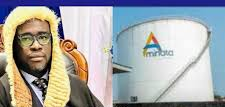
The fierce opposition by the Deputy Speaker to the Aminata & Sons concession agreement raises more questions than answers.
When Cabinet unanimously approved the agreement after examining its economic and legal implications, many expected Parliament’s debate to focus on facts. Instead, the public has been presented with claims of “revenue loss” that fail to acknowledge a fundamental reality: the agreement does not seek a tax waiver. It seeks a temporary three-year tax deferment.
That distinction matters.
A tax deferment delays payment obligations to facilitate investment and expansion. It does not cancel them. The Government is not surrendering revenue; it is creating room for a strategic investor to strengthen infrastructure that directly benefits the nation.
What makes the Deputy Speaker’s position particularly puzzling is that Aminata & Sons is not an unknown entity asking for special treatment. The company has already demonstrated its capacity to deliver. Since entering the petroleum sector, Sierra Leone has witnessed improved fuel availability and greater stability in supply. The days of frequent artificial fuel scarcity have significantly diminished.
The company’s proposal is straightforward: allow it to reinvest resources into expanding storage facilities, improving operational efficiency and strengthening national fuel security. In return, Sierra Leone gains increased storage capacity, enhanced supply resilience and greater long-term economic benefits.
These are precisely the kinds of investments governments around the world encourage through temporary fiscal incentives.
The obvious question therefore becomes: if Cabinet, economic planners and technical experts found merit in the proposal, why has the Deputy Speaker chosen to become its most vocal opponent?
Why is he focusing on a supposed “revenue loss” when the revenue is merely being deferred rather than forfeited?
Why is there such resistance to a company investing in infrastructure that strengthens national fuel security?
And why does the opposition appear disproportionate to the actual contents of the agreement?
These are legitimate questions because public officials are expected to evaluate proposals based on national interest, not emotion, politics or personal considerations.
Parliament must carefully examine the facts and not be distracted by narratives that confuse deferment with exemption. The country’s economic future depends on encouraging credible investors willing to commit resources to critical sectors.
Aminata & Sons has put its money where its mouth is. It has invested, delivered and contributed to stabilizing fuel supply. The proposed deferment is designed to allow the company to do even more.
The real issue before Parliament is not whether Government is losing revenue. It is whether Sierra Leone is prepared to support a proven indigenous investor that is expanding strategic infrastructure for the benefit of the nation.
If one voice stands against what many others see as a practical and economically sound arrangement, that voice has every right to be heard. But it also has a responsibility to explain why its position differs so sharply from the consensus reached by Cabinet and many stakeholders who view the agreement as a win for investment, fuel security and long-term national development.
In the end, Sierra Leone deserves facts—not fear, economics—not politics, and progress—not obstruction.