



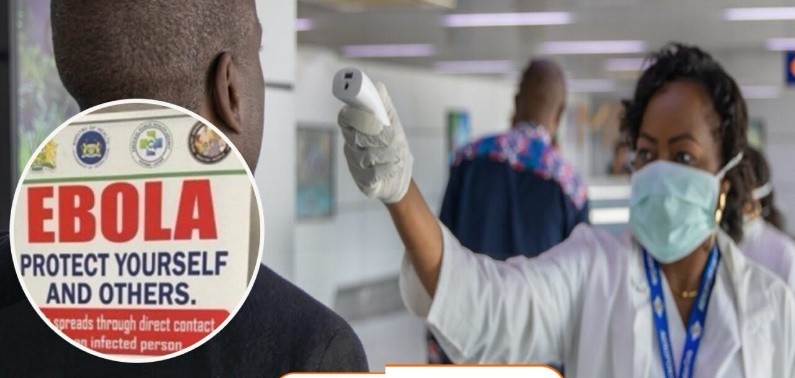
Freetown International Airport has introduced strengthened health surveillance measures as authorities move to reinforce national preparedness against the potential re-emergence of Ebola Virus Disease (EVD) in the region.
The Sierra Leone Civil Aviation Authority (SLCAA) announced the upgraded screening system at Freetown International Airport on 4 June 2026, describing it as part of a coordinated public health response aimed at preventing cross-border transmission and ensuring early detection of any suspected cases entering the country through air travel.
The decision follows growing concern among regional health institutions over reported Ebola activity in parts of the Democratic Republic of Congo, prompting renewed vigilance across West African entry points, particularly airports and border crossings considered high-risk channels for disease spread.
According to the SLCAA, the enhanced measures are designed to strengthen existing aviation health protocols and align Sierra Leone’s airport operations with international safety and public health standards. The Authority stressed that the initiative is preventive rather than reactive, aimed at safeguarding both travellers and aviation personnel from potential exposure.
Director General of the SLCAA, Musayeroh Barrie, assured the public that the agency is working closely with national and international health partners to ensure a coordinated response system is in place. She noted that the aviation sector plays a critical frontline role in disease surveillance due to the high mobility of passengers and the possibility of rapid cross-border movement of infectious diseases.
Under the new measures, passengers arriving at or departing from Freetown International Airport will undergo enhanced health screening procedures. This includes strengthened temperature checks, closer monitoring of passenger health declarations, and stricter review of travel history documentation, particularly for travellers coming from or transiting through countries flagged for heightened health surveillance.
The Authority also confirmed increased collaboration with public health agencies stationed at the airport to ensure immediate response capabilities in the event of a suspected case. This includes protocols for isolation, referral, and rapid communication with national disease control structures in accordance with World Health Organization (WHO) guidelines.
Airport health and safety teams have also been instructed to intensify awareness among passengers and staff regarding Ebola prevention measures, hygiene practices, and reporting procedures for symptoms that may be consistent with viral haemorrhagic fevers.
Officials say the move reflects Sierra Leone’s commitment to maintaining heightened vigilance, especially given the country’s past experience with the devastating Ebola outbreak that affected West Africa between 2014 and 2016. That history has continued to shape national preparedness frameworks, particularly in high-traffic entry points such as airports.
The SLCAA emphasized that while there is no confirmed Ebola case in Sierra Leone, the precautionary measures are essential in ensuring early containment should any threat emerge. Authorities urged passengers to cooperate fully with screening procedures and adhere to health instructions issued by airport personnel.
The announcement also comes amid wider regional alerts issued by health monitoring agencies warning countries to remain alert to possible outbreaks and to reinforce border health security systems.
As surveillance measures intensify at Freetown International Airport, officials maintain that the objective is to balance public health protection with smooth travel operations, ensuring that aviation activity continues safely while minimizing the risk of disease importation into Sierra Leone.