



By Sahrfoe Matturie
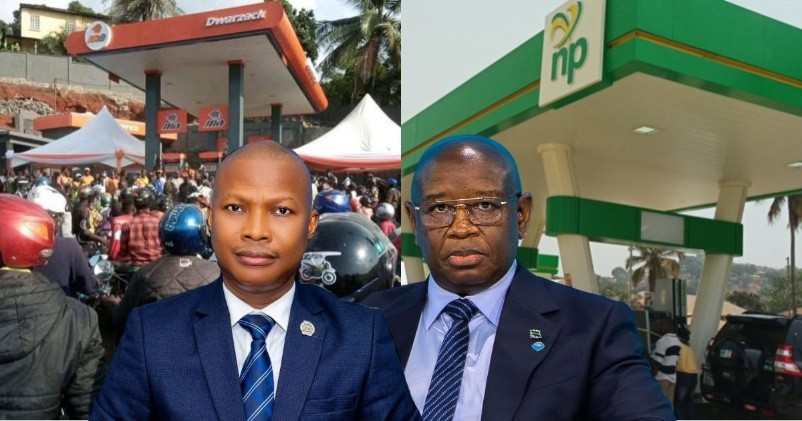
Public frustration is mounting across Sierra Leone as fuel prices at the pump remain high despite a noticeable decline in global crude oil prices, triggering renewed accusations of pricing inconsistencies and weak regulatory responsiveness.
Across major towns and cities, transport operators, commuters, and civil society actors are expressing dissatisfaction with what they describe as a recurring pattern in which fuel prices rise quickly when global oil markets increase but fail to decrease proportionately when international prices fall.
The latest wave of criticism has been amplified by civil society engagement. Edmond Abu Jr., Executive Director of the Native Consortium and Research Centre, has issued a seven-day ultimatum to the Government of Sierra Leone and the Petroleum Regulatory Authority (PRA), demanding an immediate reduction in fuel prices or the possibility of nationwide protests.
According to Abu Jr., the current pricing trend reflects a lack of fairness in the implementation of the fuel pricing formula, placing unnecessary financial pressure on citizens already struggling with rising living costs.
“This situation cannot continue where consumers always bear the burden of price increases but do not benefit from reductions when global oil prices fall,” he is reported to have stated.
The issue has reignited longstanding debate over the structure of Sierra Leone’s fuel pricing mechanism, which is influenced by multiple factors including international crude oil prices, foreign exchange rates, freight and insurance costs, taxes, and the cost of existing fuel stock already imported at previous rates.
Earlier increases in pump prices were attributed to a global surge in crude oil benchmarks such as Brent crude, driven by supply uncertainties, production adjustments by major exporting countries, and geopolitical tensions affecting energy markets. At the same time, a weaker leone against major foreign currencies further increased import costs, forcing adjustments at the domestic level.
However, with international oil prices now easing, stakeholders are questioning whether these reductions will be reflected in domestic pricing or whether consumers will continue to pay prices set during earlier periods of higher global costs.
Civil society organisations and opposition voices argue that the lack of timely downward adjustment has deepened public mistrust in the pricing system and raised concerns about transparency and accountability in how fuel prices are reviewed and implemented.
Transport unions have also expressed concern that high fuel costs are contributing to increased transport fares, which in turn are driving up the cost of goods and services nationwide. For many households, the ripple effect has intensified the broader cost-of-living crisis.
Government officials have previously defended the pricing structure, arguing that fuel pricing is not solely determined by global crude oil trends but is also shaped by exchange rate fluctuations, logistical costs, tax obligations, and the depletion of previously imported stock purchased at higher prices.
Despite these explanations, public dissatisfaction continues to grow, with many citizens insisting that the current system lacks clear communication and timely adjustments that reflect real-time market conditions.
As of Friday, neither the Government of Sierra Leone nor the Petroleum Regulatory Authority had issued an official response to the latest ultimatum or the renewed public criticism.
With pressure building from civil society and transport operators, attention is now focused on whether authorities will review pump prices in the coming days or risk escalating tensions further across the country.