



Traders Urge Govt Intervention
By AJOKE A.M. AFOLABI
Sierra Leone is facing an escalating crisis in the cost of essential goods, with traders and consumers alike struggling under the weight of rising prices. A visit to the Congo Market on Monday, 17th November 2025, revealed profound frustration and growing desperation among traders who say their livelihoods are slipping beyond their control. Many are now pleading for swift and concrete government action to stabilize market conditions.
Mariatu Sesay, a veteran fish seller with 22 years of experience, described the current economic strain as the worst she has witnessed.
“For over two decades I’ve traded fish here, but the past five years have been unbearable,” she lamented. “Prices fluctuate so much that maintaining a steady income is nearly impossible. Feeding my family every day has become a constant source of stress.”
Her sentiment reflects the broader struggles faced by traders, who say unpredictability in prices is destroying both business sustainability and household welfare.
Fatmata Tawarally, a trader in assorted local goods, highlighted how persistent inflation has pushed many consumers deeper into debt.
“People now survive on microcredit and loans just to buy food,” she explained. “We are pleading with the media to amplify our cry so the government can take market price control seriously. We need relief—not tomorrow, but now.”
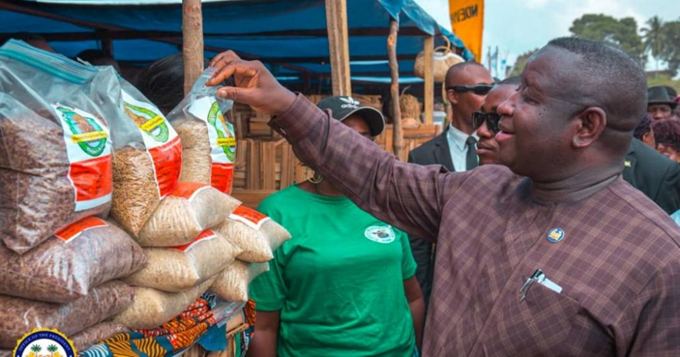
Rice trader Mohamed Bah expressed concern about declining quality and inconsistent prices of the nation’s staple food. He underscored the importance of boosting local rice production, referencing President Julius Maada Bio’s Feed Salone initiative.
“We want the government to strengthen its investment in local rice cultivation,” Bah urged. “Reducing reliance on imports is the only way to guarantee food security for every Sierra Leonean.”
For Mama Ballu Samura, a vegetable trader with 40 years of experience, the crisis is rooted in longstanding neglect of the agricultural sector.
“Farming is extremely difficult, and without proper tools, equipment, and health safeguards, farmers suffer endlessly,” she stressed. “If the government truly wants food security, it must invest seriously in agriculture.”
Collectively, the voices from Congo Market paint a troubling portrait of a country in urgent need of market reforms and agricultural transformation. The traders’ appeals echo a national sentiment: that strong, responsive governance is critical to stabilizing prices, protecting local producers, and safeguarding family livelihoods.
As Sierra Leoneans grapple with daily uncertainty, the call for decisive government action has never been louder—or more necessary.