



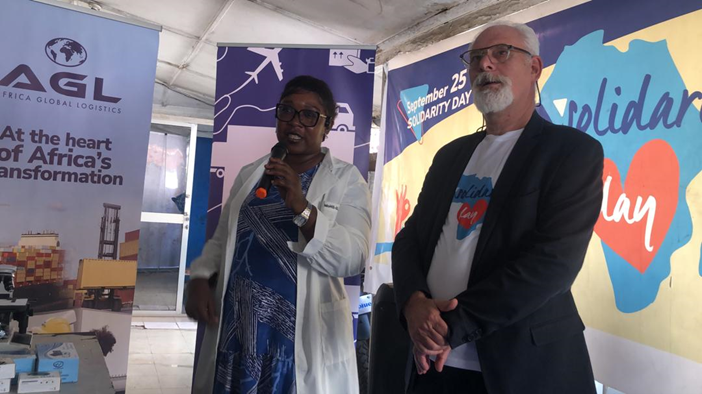
In a move that underscores the vital role of corporate partnerships in public health, Freetown Terminal Limited (FTL), a subsidiary of African Global Logistics (AGL) Limited, has made a landmark contribution to the Ross Road Maternity Hospital in Sierra Leone. Valued at over NLe180,500, the donation of essential medical equipment is expected to strengthen the hospital’s capacity to provide high-quality maternal and child healthcare, while enhancing operational efficiency and patient outcomes.
The donation ceremony, held at the Ross Road facility, showcased a range of medical tools critical for both diagnosis and treatment. The items presented included five patient chairs, three blood pressure monitors, two examination couches, four oxygen oximeters, one microscope, and two high-scale weighing machines. Each piece of equipment is intended to fill crucial gaps in the hospital’s medical operations, providing staff with the resources necessary to deliver prompt and accurate care.
Speaking at the event, Captain Fabjanko Kokan, Regional Manager of African Global Logistics, highlighted the life-saving potential of the donation. “Medical care is often a race against time,” Kokan stated. “By equipping the hospital with reliable tools, we hope to accelerate diagnoses, improve treatment, and ultimately save lives. This donation reflects our commitment to the health and wellbeing of the communities we serve.” Kokan further emphasized the importance of corporate social responsibility, urging other companies to support healthcare initiatives and contribute to the nation’s broader medical development goals.
The gesture was met with heartfelt appreciation from hospital leadership. Rose Patricia Stevens, Senior Community Health Officer at Ross Road Hospital, described the contribution as “timely and transformative” for both staff and patients. She underscored the critical role of accurate diagnostics in maternal and child healthcare, noting that the new microscope would allow laboratory personnel to perform precise analyses, ensuring that patients receive the correct treatment without delay. “With these resources, we can enhance the quality of our services, reduce errors, and improve health outcomes,” Stevens said, adding that the equipment would also help reduce maternal mortality rates across the district.
Stevens also highlighted the hospital’s operational pressures, explaining that Ross Road receives numerous referrals from surrounding medical facilities due to its reputation and capacity for specialized care. The donation, she explained, would relieve some of the strain on staff, allowing them to manage a growing patient load more effectively while maintaining high standards of care. She assured the donors that the equipment would be fully utilized in the hospital’s ongoing mission to save lives.
The event went beyond the presentation of tools; it symbolized a collaborative vision for public health in Sierra Leone. Observers noted that FTL’s initiative exemplifies how private sector engagement can complement government efforts, bridging gaps in resources, training, and infrastructure. By investing in healthcare, corporations like FTL not only enhance service delivery but also inspire confidence in communities that access these services.
Cultural and social analysts point out that such interventions are particularly significant in maternal health, an area historically constrained by limited equipment, staffing shortages, and logistical challenges. The donation reinforces the hospital’s position as a leading center for maternal care and demonstrates a model for sustainable corporate-community partnerships that can drive systemic improvements.
As the ceremony concluded, the atmosphere was one of optimism and renewed purpose. For the staff of Ross Road Maternity Hospital, the donation represents more than equipment—it signifies hope, enhanced capacity, and a tangible step toward safeguarding the health of mothers and children. For FTL, it is a public affirmation of its commitment to societal well-being and an example of how businesses can make meaningful contributions to the nation’s development agenda.
Through this initiative, the partnership between corporate actors and healthcare providers is set to inspire future collaborations, fostering a culture of shared responsibility and collective action to strengthen Sierra Leone’s healthcare system.