



By Mahamood Fofana
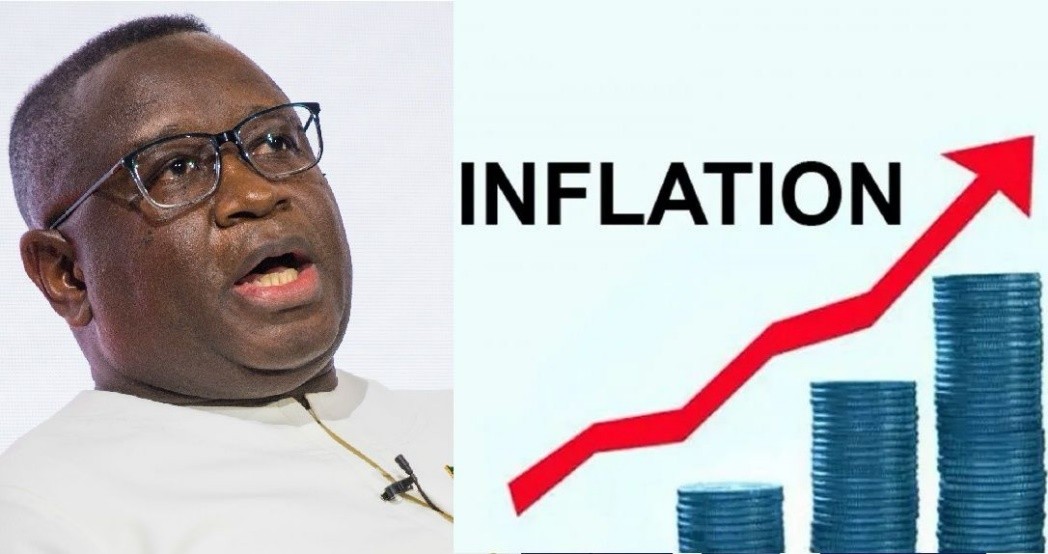
Sierra Leone is experiencing mounting inflationary pressures as the national inflation rate rose to 8.05 percent in February 2026, reflecting steep increases in fuel, housing, and essential goods. The upward trend signals growing economic strain for households, particularly as prices for non-food items continue to climb faster than food costs.
Data from the national consumer price index shows that non-food inflation jumped to 10.95 percent in February from 9.58 percent in January. The largest contributor was the “Housing, water, electricity, gas and other fuels” category, which surged to 35.89 percent year on year a 10.52 percentage point increase from the previous month. Transport and health costs also rose notably, reaching 9.10 percent and 5.42 percent, respectively, intensifying the financial pressure on consumers.
Meanwhile, food and non-alcoholic beverages saw a smaller but significant rise in annual inflation, reaching 4.38 percent in February compared to 2.37 percent in January. Analysts note that while food prices remain relatively moderate, the combined effect of housing, transport, and utility costs is driving broader economic hardship.
Several sectors helped moderate the overall inflation rate, according to the report shared with our reporter. Clothing and footwear inflation eased to 9.14 percent, restaurants and hotels slowed to 10.38 percent, and furnishings and household equipment showed a downward trend. These offsets, however, were not enough to counterbalance the dramatic spikes in core living costs.
Regional disparities in inflation are also pronounced. The Northern region recorded the highest annual rate at 16.35 percent, the only area in double digits, reflecting acute local cost pressures. The Western Area followed at 9.61 percent, slightly above the national average. Other regions experienced milder increases: the Eastern region at 4.67 percent, the North-west at 3.96 percent, and the Southern region reporting the lowest rate in the country at just 2.65 percent.
Economists warn that persistent inflation in essentials such as housing, energy, and transport could erode household purchasing power and disproportionately affect low income families. They emphasize the need for targeted interventions to stabilize fuel prices, improve electricity supply, and enhance food security, while also calling for careful monitoring of regional price fluctuations.
The latest figures highlight the ongoing economic challenges facing Sierra Leone, where rising costs coincide with stagnant wages and limited access to affordable services. Policymakers are under increasing pressure to implement strategies that can contain inflation and safeguard citizens’ standard of living amid global and domestic price shocks.
As households continue to navigate higher costs, the government and private sector are being urged to adopt measures that provide relief to vulnerable populations and stabilize key sectors, particularly in the Northern and Western regions where inflationary pressure is most acute.
The February data signals that while some categories show moderation, the overall economic environment remains challenging, with non-food essentials driving inflation and creating broader social and financial stress for Sierra Leoneans.