



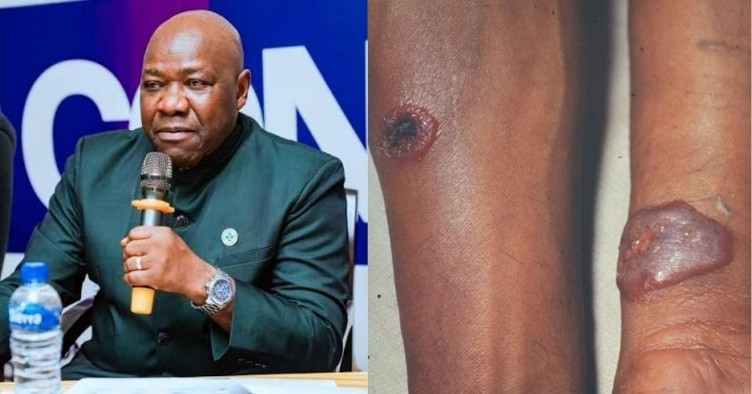
The National Public Health Agency (NPHA) has dismissed reports circulating on social media claiming an anthrax outbreak in Port Loko District, describing the information as false, misleading, and capable of causing unnecessary public alarm. In a public health advisory issued on Tuesday, 14 January 2026, the Agency clarified that no confirmed or suspected cases of anthrax have been identified in the district.
The advisory comes in response to a widely shared audio message circulating online, which warned residents against consuming meat due to an alleged outbreak of the disease. The message, which gained rapid attention among local communities, prompted concern among traders, farmers, and the general public. However, NPHA officials emphasized that the claims have no scientific or official basis.
According to the Agency, the Ministry of Health, in collaboration with the Livestock Division of the Ministry of Agriculture and Food Security, conducted a thorough verification of the claims. “Our joint review confirms that no laboratory report, field surveillance data, or official notification supports the allegations circulating online,” the advisory stated. The Agency stressed that the viral audio message contains unverified information that could disrupt livelihoods and unnecessarily panic communities, particularly those whose income depends on livestock and meat production.
Health authorities also reiterated that routine disease surveillance is ongoing across all districts of Sierra Leone to ensure early detection of any emerging public health threats. Citizens have been urged to rely exclusively on official channels for accurate and timely information about health issues, including the NPHA’s official website, social media pages, district health offices, and verified government press releases.
“Members of the public are strongly discouraged from forwarding or sharing unverified content that can cause confusion, fear, or economic losses. Trustworthy information is critical to protect both public health and livelihoods,” the Agency emphasized.
In addition, the NPHA encouraged residents to report any suspected public health incidents immediately to their nearest health facility, local district health office, or directly through the Agency’s official hotline. Such reports are vital for prompt investigation, monitoring, and response, ensuring that potential outbreaks are contained before they become a risk to wider communities.
Public health experts have also highlighted the danger of misinformation in undermining disease prevention efforts. “False reports not only create panic but can lead to harmful behaviors, including the unnecessary disposal of safe livestock or the avoidance of essential nutrition sources,” a senior NPHA official noted.
While the Port Loko anthrax scare has been debunked, the episode underscores the importance of media literacy and the public’s responsibility to verify information before dissemination. The NPHA affirmed its commitment to safeguarding public health and maintaining clear communication channels to provide timely updates on any real or emerging health threats.
As of now, Port Loko residents are advised to continue normal consumption of meat and livestock products while remaining vigilant and following standard hygiene and food safety practices. The NPHA reiterated that it remains ready to respond swiftly to any genuine public health concerns in the district or elsewhere in the country.