



Lowuma Village Sounds Alarm
Tension is rising in Lowuma village, a small but tightly knit community in Koya Chiefdom, Kenema District, after residents uncovered what they allege to be unauthorized mining operations carried out by an unidentified Chinese company. The activities, which villagers say began quietly and without consent, have now triggered environmental damage, community outrage, and serious questions about regulatory oversight in Sierra Leone’s mineral-rich regions.
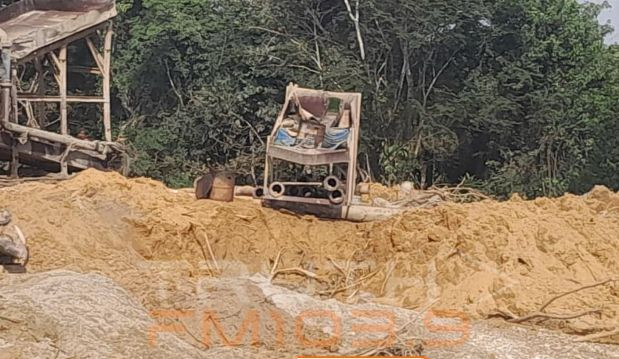
Lowuma, home to more than 300 residents, depends almost entirely on a single river and nearby streams for drinking water, farming, fishing, and domestic use. That same river also serves as a natural boundary between Nyawa and Koya chiefdoms. According to residents, heavy machinery—particularly excavators—was deployed directly along the waterway to mine for diamonds and gold, leaving the river backfilled, polluted, and partially destroyed.
Community leaders say the mining operation appeared suddenly, without consultation, environmental assessment, or formal notice to landowners. Town Chief Musa Dorwai confirmed that the presence of the miners only became known after paramount authorities were alerted.
“Paramount Chief Mariama Taimeh informed me about the mining,” Chief Dorwai said. “When we went there, we saw Chinese men with excavators already working at the water side. Our plantations were cleared to create an access road to the stream.”
According to the chief, the foreign miners reportedly paid the community nineteen thousand leones as compensation for damaged crops—an amount residents describe as insulting and grossly inadequate given the scale of destruction. No formal agreement was signed, and villagers say they were never told the name of the company, the duration of the mining, or whether any licenses had been obtained.
The situation has since escalated beyond a local dispute. Justice Francis Banks Kamara was briefed on the matter and subsequently convened a stakeholders’ meeting in an attempt to de-escalate tensions and establish clarity. However, residents say the intervention has so far failed to produce tangible results.
Youths in the village are particularly angered by what they describe as a pattern of exploitation without benefit. “We don’t know who these people are. They did not consult us, they did not employ our youths, and they destroyed our water,” one youth told Truth Media. “We are calling on the government to act now. We don’t want them here.”
On 12 January 2026, officials from the National Disaster Management Agency, the Environmental Protection Agency (EPA), and the National Mines Agency visited Lowuma alongside Paramount Chiefs Al-Amin Kanneh—who also serves as a Member of Parliament for Kenema District—and Mariama Taimeh. The visit was meant to calm tensions and assess the damage, but the engagement ended without a clear resolution, further deepening community frustration.
Efforts by Truth Media to obtain comments directly from the Chinese nationals involved were unsuccessful, as they could not be reached at the site. Reports later circulated that the EPA had arrested the miners in Kenema, but these claims were denied by EPA Regional Manager Ishmael Jalloh. He clarified that no arrests had been made, but confirmed that the agency ordered an immediate halt to all mining activities pending compliance with legal and environmental requirements.
As investigations continue, residents remain anxious about the long-term impact on their water source and farmlands. The opacity surrounding the company’s identity, licensing status, and regulatory approvals has intensified mistrust, not only toward the miners but also toward state institutions charged with protecting communities.
For Lowuma, the issue goes beyond mining—it is about survival, dignity, and the right to be consulted before their land and water are altered. Until authorities provide clear answers and decisive action, the village remains on edge, fearing that silence and delay may permanently cost them their most vital resources.