



By Mackie M. Jalloh
Hundreds of Sierra Leonean nationals have been forcibly deported from neighboring Guinea in what is rapidly escalating into a humanitarian and diplomatic concern, exposing fragile cross-border relations and raising serious allegations of abuse, unlawful detention, and property seizure.
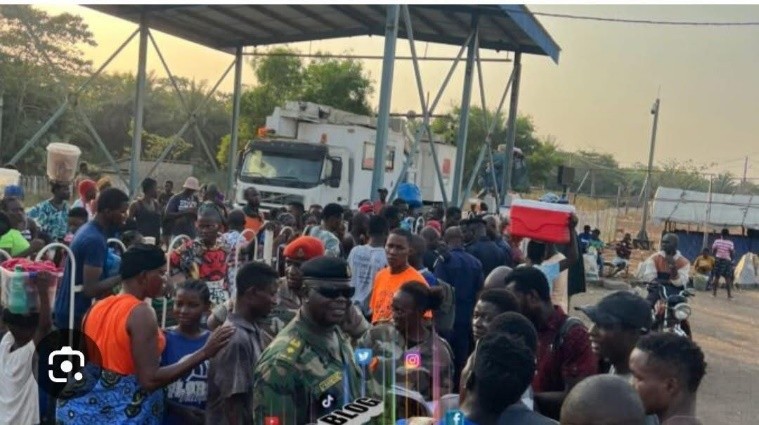
The deportees, many of whom had lived and worked in Guinea for years, recount harrowing experiences of being rounded up in coordinated security operations. According to multiple testimonies gathered at the Pamlap border crossing in Kambia District, Guinean authorities allegedly stormed homes often in the early hours ordering occupants to vacate immediately without due process or explanation.
Victims claim they were neither given time to collect their belongings nor informed of any legal violations. Personal property, including money, identification documents, and household items, were reportedly confiscated or abandoned under duress. “They came with force. No warning. No chance to explain anything,” one deportee said, describing the operation as chaotic and humiliating.
More troubling are allegations that tear gas was deployed against civilians during the eviction process. Eyewitness accounts suggest that security forces used crowd control weapons indiscriminately, affecting women, children, and the elderly. Several deportees arrived at Pamlap visibly shaken, some suffering from respiratory distress and minor injuries, further compounding the urgency of the situation.
At the border, local authorities and humanitarian responders are struggling to manage the influx. Emergency assistance primarily food, temporary shelter, and basic medical care is being provided, but resources are reportedly stretched thin. Many deportees now face an uncertain future, having lost not only their livelihoods but also any semblance of stability they had built across the border.
This incident underscores a recurring pattern of tension between migrant communities and host authorities in the Mano River sub-region. While cross-border migration has historically been fluid driven by trade, family ties, and economic necessity periodic crackdowns have often left migrants vulnerable to abrupt policy shifts and enforcement actions.
Analysts point to a combination of factors that may have triggered the latest expulsions, including domestic political pressures within Guinea, concerns over undocumented migration, and broader regional security anxieties. However, the apparent scale and manner of the deportations raise serious questions about adherence to international human rights standards and bilateral agreements governing the treatment of foreign nationals.
There is growing pressure on the Sierra Leonean government to respond decisively. Civil society groups and human rights advocates are calling for a formal diplomatic engagement with Guinean authorities to seek clarification, restitution for lost property, and assurances against future abuses. They argue that silence or delayed action risks normalizing such treatment of Sierra Leonean citizens abroad.
At the same time, the crisis exposes systemic gaps in migrant protection frameworks. Many of those affected lacked formal documentation, making them easy targets during enforcement operations. Yet, even undocumented migrants are entitled to fundamental rights, including protection from arbitrary arrest, collective expulsion, and inhumane treatment.
As the situation unfolds, attention is now turning to both immediate relief efforts and longer term policy responses. The deportees at Pamlap are not just statistics; they are individuals whose lives have been abruptly disrupted. Their accounts demand not only humanitarian compassion but also accountability and structural reform.
What remains clear is that this is more than a border incident it is a test of regional cooperation, human rights commitment, and the capacity of governments to protect their citizens beyond their borders.