

By Mahamood Fofana
The Independent Media Commission (IMC) on Monday, 9 February 2026, convened a high-level meeting with media stakeholders and regulatory partners, raising concerns over the tone and content of political communication across broadcast platforms.
At the engagement, the Commission reminded participants that the IMC Act of 2020 mandates it to regulate media practice, including the authority to sanction and impose fines for professional misconduct and breaches of established standards.
Central to the discussions was the handling of political party representatives on radio and television programmes. The IMC highlighted the risks associated with live political discourse, particularly the potential spread of hate speech, incitement, misinformation, and smear campaigns.
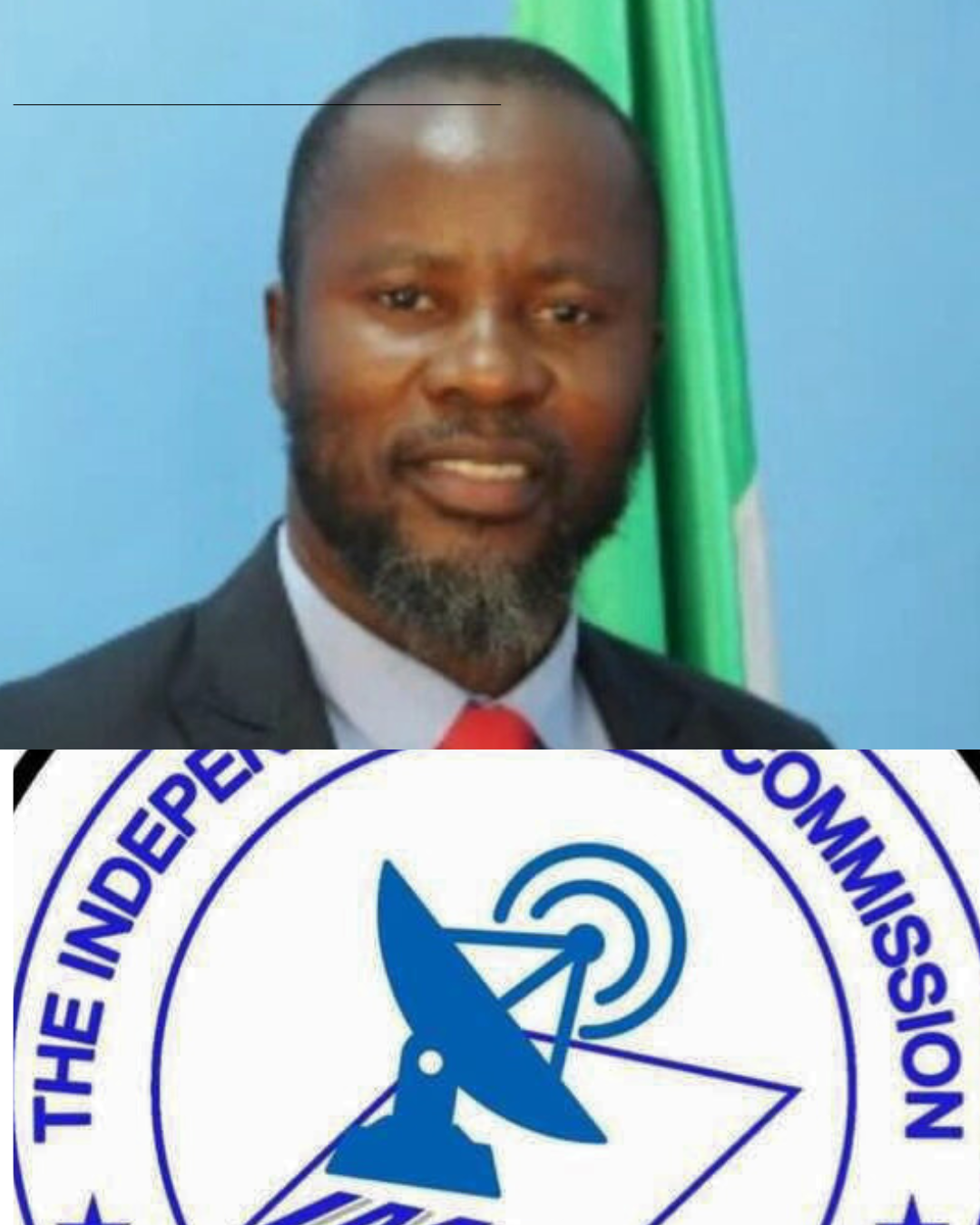
Chairman of the Commission, Joseph Egbena Kapuwa, acknowledged the serious implications of inflammatory rhetoric on national cohesion and stability.
“Our objective is not to rush into fines,” he stated. “Rather, we seek to engage media gatekeepers in identifying sustainable solutions to this growing challenge.”
The meeting brought together representatives from the Sierra Leone Association of Journalists (SLAJ), the Political Parties Regulation Commission, the Guild of Newspaper Editors, and other relevant institutions. The collective focus was to strengthen ethical journalism and promote citizen-centred political communication that reflects responsible broadcasting, particularly in light of the country’s fragile peace and democratic gains.
Speaking to reporters after the meeting, SLAJ President Alhaji Manika Kamara described the engagement as timely and necessary for maintaining a professional media environment. He cautioned against misinterpreting the dialogue as an attempt to curtail press freedom.
“This should not be misconstrued as suppressing the press or freedom of speech,” he said. “It reaffirms our commitment to ensuring that our members uphold ethical and professional standards. We must not allow our platforms to be used by politicians or any actors to promote hate speech or divisive political messages.”
The IMC emphasized that collaboration, rather than punitive action, remains its preferred approach in addressing emerging challenges within Sierra Leone’s evolving political communication landscape.