

By: Mahamood Fofana
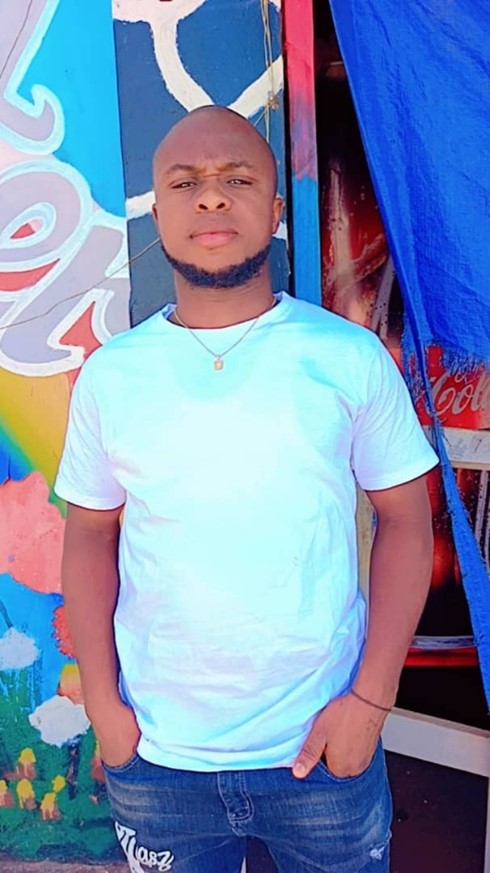
In the heart of Makeni, a small rehabilitation centre is fighting a quiet but desperate battle against Sierra Leone’s most destructive drug epidemic — Kush. The centre, founded by Sahid Kabia, has become a lifeline for dozens of young men and women whose lives have been shattered by addiction. But today, that hope is at risk, as the centre struggles to survive amid dwindling resources and limited government support.
Established in 2023, the Action for the Rehabilitation of Drug Victims Centre has been working tirelessly to provide care, medication, and counseling to individuals recovering from drug addiction. Yet, despite its vital role, Sahid says the centre operates on sheer determination rather than sustainable funding.
“This rehabilitation centre is about getting our young people back on track,” Sahid said with visible frustration. “Addiction is destroying bright minds, and we are doing everything possible to save them. But taking care of Kush addicts is not easy, especially with limited resources.”
Sahid revealed that the centre relies mainly on goodwill donations from friends in the diaspora and a few local supporters, including Honourable Ibrahim Barrie, the APC Member of Parliament for Bombali District. “I am appealing to the government and all stakeholders to step in,” he added. “Without help, it will be difficult to continue this mission.”
Inside the modest facility, stories of transformation unfold — stories that highlight both the human cost of addiction and the redemptive power of compassion. One such story is that of Shekuba Wulary, a former addict who spent over nine years trapped in drug dependency, including the use of Kush.
“I lost everything — my dignity, my family, and my future,” Shekuba confessed. “But today, I can proudly say I am a changed man. Sahid and this centre gave me a second chance at life. I only wish more addicts could receive this kind of support.”
He pleaded for increased funding to help others like him, emphasizing that with proper rehabilitation and guidance, many young people could reclaim their lives.
Another testimony came from a Senior Secondary School (SSS3) pupil, who dropped out of school due to drug addiction. Speaking anonymously, he blamed the government for what he described as “a failed fight” against drug importation and trafficking.
“The government’s efforts are only on paper,” he lamented. “Drugs are not a poor man’s business. The authorities know who brings them in and who sells them, yet little is done to stop it.”
In 2024, President Julius Maada Bio declared a State of Emergency on Drugs and launched a five-point national strategy focusing on prevention, treatment, social support, law enforcement, and community engagement. However, critics argue that the declaration has done little to change the situation on the ground.
Civil rights activist Ibrahim Daramy described the government’s approach as “rhetoric without results.” He condemned what he called the state’s “lip service” to the drug crisis.
“We keep hearing about plans and task forces, but nothing changes,” Daramy said. “Rehabilitation facilities like the one in Makeni are starved of funds, while the dealers roam freely in our communities. If we don’t take real action, Sierra Leone will remain a laughingstock globally.”
His frustration is shared by many citizens who have grown weary of corruption, selective enforcement, and government denial. The recent allegations involving Sierra Leone’s Ambassador to Guinea, accused of drug trafficking, and rumors linking members of the First Family to a foreign drug baron, have further damaged the country’s image and public trust.
As the government struggles to restore credibility, Sahid Kabia’s small rehabilitation centre stands as both a symbol of hope and a cry for help. Without urgent support, its doors may soon close — leaving dozens of recovering addicts with nowhere to turn.
“We cannot give up on these youths,” Sahid said. “They are not criminals; they are victims who need care, not condemnation. With support, they can rise again.”
For now, Makeni’s modest rehabilitation centre remains one of the few beacons of redemption in a nation drowning under the weight of Kush. Whether it survives depends on whether Sierra Leone finally chooses action over words.