



By Mackie M. Jalloh
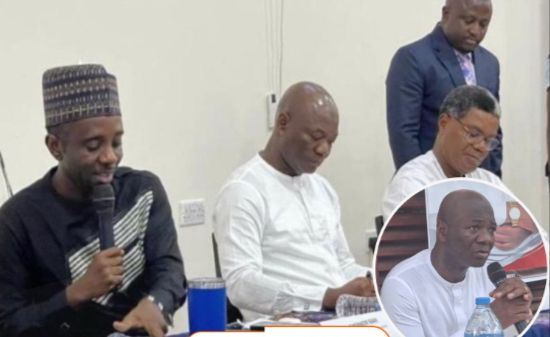
Tensions surrounding Sierra Leone’s post-election reform agenda have resurfaced following strong criticism from opposition figure Dr. Kaifala Marah, who has openly challenged the effectiveness of the country’s much publicized Tripartite Committee.
In a sharply worded reaction, Marah who serves as co-chair of the committee representing the All People’s Congress (APC) painted a bleak picture of what he described as a reform process that has failed to deliver tangible outcomes. His comments come at a time when expectations are mounting over the implementation of the Agreement for National Unity (ANU), which was designed to ease political tensions and rebuild trust following the disputed June 24, 2023 elections.
Rather than celebrating progress, Marah’s position signals deepening dissatisfaction within opposition ranks. According to him, the promises made under the Tripartite framework remain largely unfulfilled, with critical components of the reform agenda either delayed or completely stagnant. He argued that despite multiple engagements and discussions, there has been little movement in addressing the structural and political concerns that gave rise to the committee in the first place.
Central to his criticism is what he views as a breakdown in high level political engagement. Marah questioned the lack of meaningful dialogue between key stakeholders, particularly pointing to what he described as an absence of response from the presidency to requests for engagement by opposition leadership. This, he noted, runs counter to the spirit of reconciliation embedded in the ANU, which explicitly called for renewed cooperation at the highest levels of governance.
Beyond the political optics, Marah also highlighted unresolved legal and administrative issues that continue to undermine confidence in the process. He referenced pending court cases and concerns over missing party related documents, suggesting that these lingering matters reflect a broader failure to implement agreed reforms in a credible and transparent manner.
His remarks underscore a widening trust deficit between the ruling Sierra Leone People’s Party (SLPP) and the opposition APC. While the Tripartite Committee was initially welcomed as a pathway toward national cohesion and electoral reform, critics within the opposition now argue that it risks becoming symbolic rather than substantive.
Political observers note that the stakes are high. The committee was established not only to review electoral processes but also to recommend reforms that could stabilize Sierra Leone’s democratic environment. With its timeline gradually narrowing, concerns are growing that the initiative may fall short of delivering the systemic changes many citizens had anticipated.
Marah’s intervention, therefore, is more than a political critique it reflects broader anxieties about governance, accountability, and the pace of reform in Sierra Leone. By reframing the conversation away from diplomatic optimism to measurable outcomes, he has effectively challenged both the government and the committee to demonstrate real progress.
As the deadline for the committee’s work approaches, the pressure is likely to intensify. Whether the Tripartite process can regain credibility or risks further polarization will depend largely on how authorities respond to these mounting criticisms and whether concrete steps are taken to address the concerns raised. For many Sierra Leoneans watching closely, the question is no longer about promises but about results