



Guinea Pulls Back Border Troops
By Mackie M. Jalloh
A major shift in regional security posture has emerged from the recent Mano River Union summit, as Guinea moves to de-escalate long-standing tensions along its frontiers with Sierra Leone and Liberia.
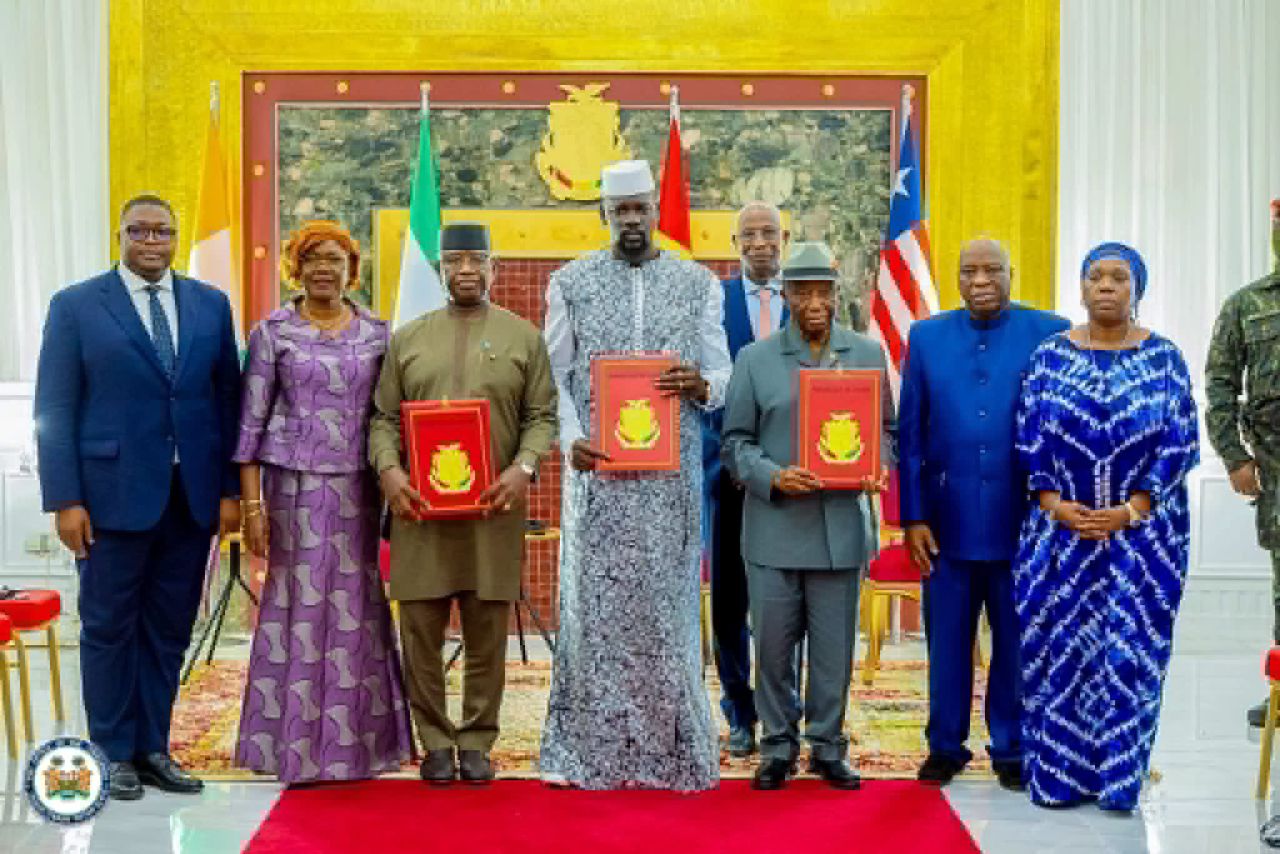
In what analysts describe as a calculated diplomatic signal rather than a mere military adjustment, Guinean authorities have begun withdrawing troops previously stationed along the two borders. The move follows high level discussions held during the Mano River Union (MRU) Heads of State Summit in Conakry, where regional leaders sought to reset relations and address simmering cross-border concerns.
The announcement was confirmed by General Ibrahima Sory Bangoura, Chief of Staff of Guinea’s Armed Forces, who indicated that the redeployment process would commence immediately and proceed in phases. Rather than framing the decision as a concession, Guinean officials are positioning it as part of a broader strategic pivot one that prioritizes political dialogue over military posturing.
For years, the borders linking Guinea with Sierra Leone and Liberia have been flashpoints for periodic tension, fueled by disputes over territorial demarcation, security concerns, and cross-border movements. The presence of troops in these areas has often been interpreted by neighboring countries as a show of force, raising anxieties within already fragile border communities.
However, the outcome of the Conakry summit suggests a deliberate attempt to reverse that narrative. By pulling back its forces, Guinea appears to be signaling confidence in diplomatic mechanisms and a willingness to rebuild trust with its neighbors.
Regional observers note that this development is not occurring in isolation. The Mano River Union comprising Guinea, Sierra Leone, Liberia, and Côte d’Ivoire has in recent years faced mounting pressure to demonstrate its relevance in managing regional security and economic integration. The latest decision, therefore, is being viewed as a test case for the bloc’s ability to translate dialogue into concrete action.
Despite the withdrawal, Guinean authorities have been careful to maintain a firm stance on national sovereignty. Officials emphasized that while troops are being redeployed, the country’s defense readiness remains intact. The message is clear: diplomacy is being prioritized, but not at the expense of territorial integrity.
General Bangoura also called on citizens to remain vigilant, underscoring that peacebuilding is a shared responsibility. He encouraged public support for ongoing dialogue initiatives, framing the troop withdrawal as part of a larger effort to stabilize the subregion and prevent future conflicts.
In border communities, reactions have been cautiously optimistic. For many residents who rely on cross-border trade and social ties, reduced military presence could ease movement and improve daily life. However, some remain wary, noting that past agreements have not always translated into lasting peace.
Ultimately, the success of this initiative will depend on sustained commitment from all parties involved. While Guinea’s decision marks an important step toward de-escalation, it also raises expectations for reciprocal actions and continued engagement within the MRU framework. As West Africa grapples with complex security challenges, the unfolding situation along these borders may well serve as a benchmark for how regional diplomacy can be leveraged to resolve disputes without resorting to force