



By Sahrfoa Matturie
Tensions have resurfaced in Makeni following remarks attributed to President Julius Maada Bio during a Ministry of Information-organised town hall meeting, where he revisited the controversial relocation of an electricity generator that sparked deadly unrest in the city in 2020.
The President’s comments have rekindled memories of the July 2020 crisis, when the planned relocation of a 1.65-megawatt generator from Makeni to Lungi International Airport triggered widespread opposition from residents. What began as concerns over inadequate consultation and poor communication between government officials and local stakeholders escalated into violent protests, clashes with security forces, and widespread destruction.
Security personnel were deployed to restore order, with tear gas reportedly fired in several areas, including parts of the central market. The unrest resulted in deaths, injuries, arrests, and damage to property. Six years later, families of those who lost their lives say they are still awaiting justice and accountability.
Human rights organisations and civic groups have previously cited communication failures, poor coordination, and allegations of excessive use of force as factors that contributed to the escalation of the crisis. Reported victims included students, a motorbike rider, a petty trader, a schoolteacher, and a 15-year-old schoolboy. Among those identified in public reports were 20-year-old Thaimu Kamara and 28-year-old Augustine Conteh, who were reported to have died during the unrest.
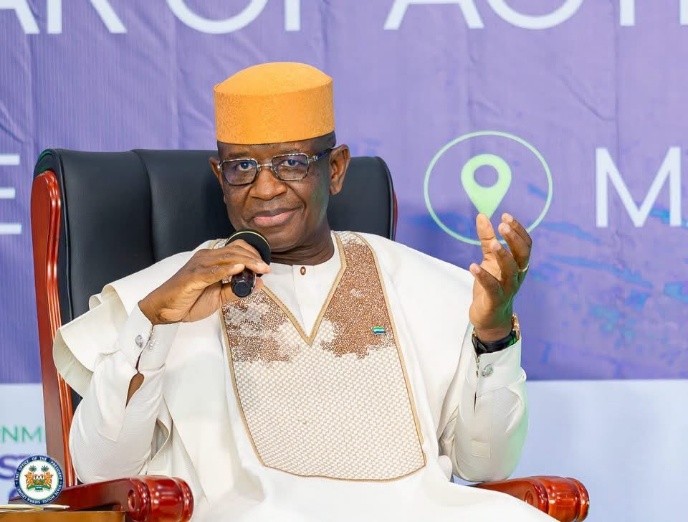
During the recent town hall, President Bio reportedly said the generator was intended to improve electricity supply at Lungi International Airport and questioned why citizens should be “selfish” over decisions aimed at advancing national development.
The remarks have drawn criticism from some residents of Makeni and relatives of those who died during the unrest, who argue that the comments fail to acknowledge the pain and loss suffered by affected families and risk reopening unresolved wounds.
As of July 2026, six years after the incident, relatives of the victims continue to maintain that meaningful justice and accountability have yet to be achieved.
Among those still living with the consequences of the unrest is Bai Kamara, who was struck by a stray bullet while returning home from work. According to his family, the bullet remains lodged in his spinal cord, leaving him in critical condition. They say they cannot afford the specialised surgery required overseas to remove it and are appealing to the government, humanitarian organisations, and well-wishers for urgent assistance.
The government has not announced any new measures in response to the renewed concerns raised by residents following the President’s remarks.