



By Sahrfoa Matturie
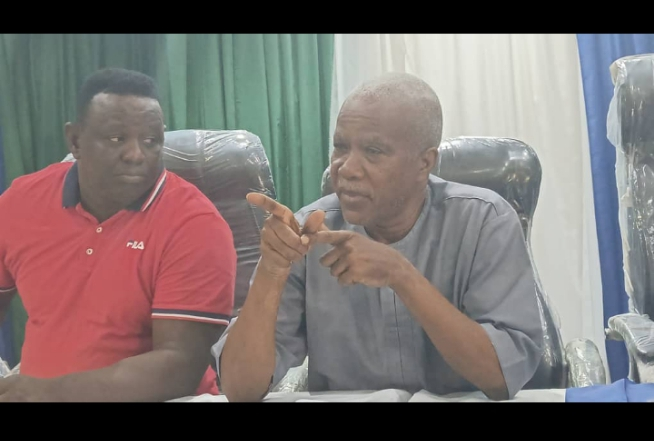
Residents of Makeni and other parts of Bombali District may soon witness renewed efforts to address the ongoing electricity crisis following a high-level press conference organized by the Bombali Development Actors (BDA) with key stakeholders and members of the media.
Speaking during the engagement, Chairman of the organization, Mohamed Sorie Conteh, presented a detailed briefing on the interventions and consultations undertaken by the group in response to the persistent blackout affecting Makeni and surrounding communities.
According to Conteh, the BDA began a series of consultations on 15 April 2026 with officials of the Electricity Generation and Transmission Company (EGTC), traders’ unions, bike riders’ associations, and other community stakeholders to better understand the root causes of the prolonged electricity interruptions.
He explained that the organization intensified its advocacy after regional officials of the Electricity Distribution and Supply Authority (EDSA) linked the crisis to hydrological challenges affecting water levels at the Bumbuna hydroelectric dam.
Conteh further disclosed that, following discussions with energy sector authorities, a conducted tour involving EDSA and EGTC officials was organized to allow representatives from Makeni to independently assess the situation at the Bumbuna facility.
The visit, facilitated by the Resident Minister, included a three-member delegation comprising media practitioner Mahamood Fofanah, BDA Vice Chairperson Betty Alimamy Sesay, and Chairperson Mohamed Kamara.
The delegation inspected operations at the dam and assessed the declining water levels, which authorities say have significantly affected electricity generation capacity.
During the visit, engineers at the facility revealed that Bumbuna is currently generating approximately 4.5 megawatts of electricity, compared to its maximum capacity of about 7 megawatts during periods of full water levels. Officials added that output had slightly improved to 5.1 megawatts at the time of the delegation’s inspection.
The team was also informed that under normal conditions, Freetown receives between 48 and 50 megawatts of electricity from the national grid system, but supply has significantly reduced due to the drop in water levels.
According to the briefing, the Makeni substation remains one of the major beneficiaries of electricity generated from Bumbuna, particularly during the peak of the dry season. Engineers also explained that the dam supports the transmission line supplying Freetown through the “re-energizing CLSG” system.
Officials further disclosed that maintenance work is expected to commence on 18 May, depending on operational conditions and water levels at the dam. Engineers stated that effective operations require the water level to remain at approximately 210 meters above sea level, while the level stood at 212 meters during the inspection visit.
Addressing public concerns, Vice Chairperson Betty Alimamy Sesay cautioned against politicizing the electricity crisis, emphasizing that the issue should be treated as a national development concern rather than a political debate.
She called on citizens, political actors, and civil society groups to support constructive dialogue aimed at finding lasting solutions to the energy challenges affecting the region.
Meanwhile, Mayor of Makeni City, Abubakarr Lambay-Kamara, appealed to the Government of Sierra Leone and energy sector authorities to urgently address the persistent blackout situation.
The Mayor expressed hope that the current assurances and interventions would not end like previous promises made to residents. He acknowledged growing public frustration fueled by rumours and conspiracy theories alleging that electricity intended for Makeni had been redirected to Freetown.
He urged authorities to improve public communication and transparency surrounding electricity generation and distribution challenges in order to restore public confidence and reduce misinformation.
The press conference concluded with calls for continued engagement between government institutions, development actors, civil society organizations, and citizens as Makeni continues to grapple with one of its most difficult electricity supply periods in recent years.