



By Sahrfoa Matturie
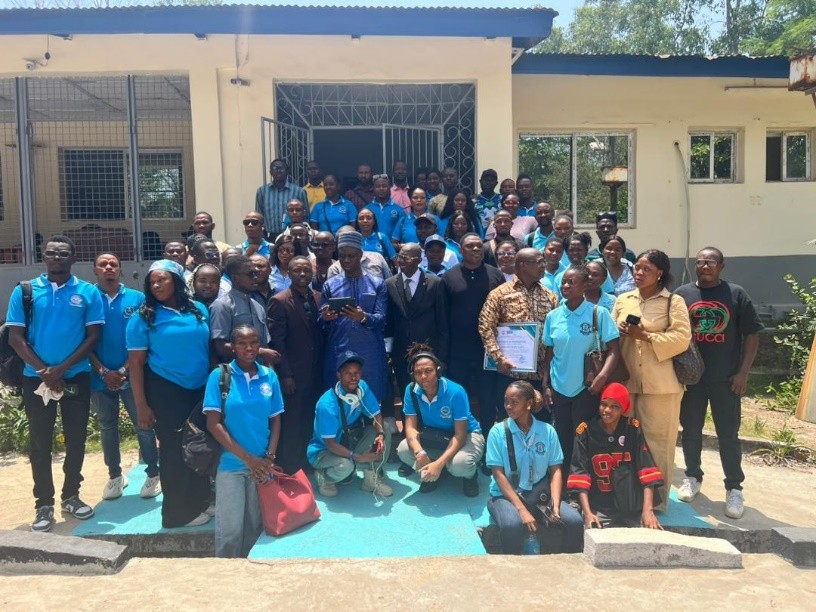
The University of Makeni brought together policymakers, academics, and industry professionals for a World Procurement Day forum focused on how technology and sustainability are reshaping procurement practice in Sierra Leone.
Organised by the Department of Procurement, Logistics and Supply Chain Management, the event examined the theme of adapting to AI-driven systems and sustainable approaches in a changing global economy. Discussions centered on how institutions can modernize procurement while maintaining transparency, accountability, and social responsibility.
Senior Lecturer Joseph M. Komeh emphasized that procurement decisions must extend beyond cost considerations to include environmental and social impact. He urged emerging professionals to prioritize sustainability in bid evaluations, noting that responsible procurement can drive long-term national development while minimizing harm to communities and ecosystems.
On digital transformation, Mohamed Baba Turay highlighted the growing role of Electronic Government Procurement (E-GP) systems. He explained that digital platforms reduce human interference, improve confidentiality in bidding processes, and limit opportunities for corruption persistent challenges in traditional procurement systems.
Providing a regulatory perspective, Foday J. Konneh of the National Public Procurement Authority outlined ongoing reforms, including the phased rollout of E-GP across Ministries, Departments, and Agencies. He noted that modules such as supplier registration, procurement planning, and electronic bid submission are already being piloted, with the aim of strengthening competition and accountability.
Konneh also referenced the Methodology for Assessing Procurement Systems (MAPS) as a diagnostic tool guiding reforms. According to him, the assessment is helping identify structural gaps, particularly in digital capacity, regulatory enforcement, and institutional efficiency.
Participants engaged in broader discussions on the implications of artificial intelligence in procurement, with consensus around the need for continuous professional development to keep pace with technological change. At the same time, speakers stressed that innovation must be balanced with ethical standards and sustainability principles.
The forum concluded with a call for students and practitioners to position themselves as adaptable, tech-driven professionals capable of navigating evolving procurement systems while contributing to transparent and sustainable governance in Sierra Leone.