



By Mahamood Fofana
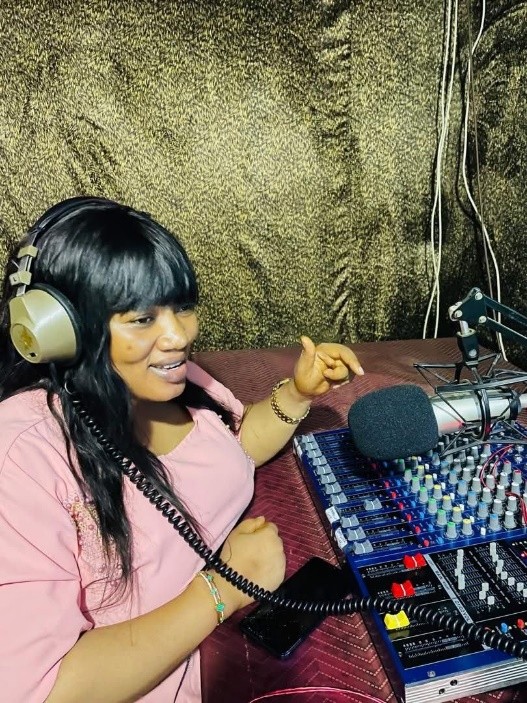
A significant ruling by the Independent Media Commission (IMC) has brought renewed attention to labour rights and professional protections within Sierra Leone’s media sector, after the Commission found in favour of journalist Umu Thoronka in her unlawful termination case against the Sierra Leone Broadcasting Corporation (SLBC).
The case, which dates back to August 16, 2024, was formally filed by Thoronka following what she described as an abrupt and unjust dismissal from her role at SLBC’s Makeni regional office. According to her complaint, she was informed via a phone call on July 26, 2024, by the station’s regional manager that her services were no longer required a method she argued was both unprofessional and contrary to established contractual procedures.
After a protracted review process involving three separate hearings, the IMC delivered its verdict on March 4, 2026. Notably, the Commission revealed that despite being duly invited, SLBC failed to attend any of the hearings a factor that may have influenced the outcome of the case.
In its findings, the IMC established that Thoronka had served as a freelance journalist with the Makeni station for over a decade, contributing significantly to the broadcaster’s operations. The Commission also confirmed that she had entered into a formal contract with SLBC on September 1, 2021. While the agreement specified a four month term, it clearly outlined that either party could terminate the contract, provided that at least one week’s notice was given.
However, the Commission concluded that the termination, executed through a mere phone call without prior notice, constituted a clear breach of that contractual obligation. As a result, the IMC ruled that SLBC must compensate Thoronka with a negotiable sum, taking into account her years of service and the circumstances surrounding her dismissal.
Explaining the decision, IMC Executive Secretary Khalil Kallon clarified that the term “negotiable sum” implies compensation to be determined in line with Sierra Leone’s labour laws. He further emphasized that while the Commission has exercised its mandate within the limits of the law, any aggrieved party retains the right to challenge the ruling at the High Court.
The decision has been welcomed by media advocacy groups, including the Women in the Media Sierra Leone. Its President, Eastina Taylor, described the ruling as a positive step toward accountability but urged SLBC to comply promptly with the Commission’s directive.
Taylor also revealed that the matter extends beyond the IMC ruling. According to her, WiMSAL is currently pursuing a separate case at the ECOWAS Court of Justice involving allegations of sexual harassment, abuse, and intimidation against Thoronka during her time at SLBC. She expressed optimism that the outcome of that case could set a broader legal precedent for the protection of female journalists across the country.
Meanwhile, Thoronka’s legal representative, Paul Kamara, described the IMC ruling as a landmark victory not only for his client but for media professionals nationwide. He argued that the decision reinforces the importance of due process and could serve as a deterrent against arbitrary dismissals within the industry. As of the time of reporting, SLBC had not issued an official response to the ruling despite multiple attempts to obtain comment. The case, however, continues to resonate within media and legal circles, raising broader questions about workplace rights, institutional accountability, and the protection of journalists particularly women within Sierra Leone’s evolving media landscape.