



By Sahrfoa Matturie
Management of the Water Supply and Sanitation Utility Management (WUSUM) has reaffirmed its commitment to promoting gender equality and empowering women within the workplace and the wider society during a special engagement held shortly after the celebration of International Women’s Day.
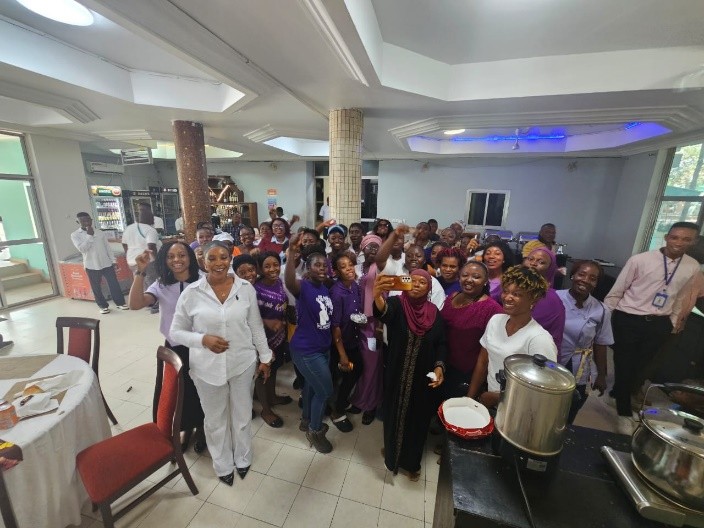
The dialogue session took place on Monday, March 9, bringing together staff members of the institution to reflect on the significance of the global observance and to discuss practical ways of strengthening gender inclusion and mutual respect in the workplace. The engagement created a platform for both male and female workers to openly share ideas on how institutions can better support women while promoting a balanced and inclusive working environment.
Officials from the Ministry of Health and Sanitation attended the event and addressed workers on the importance of sustaining the message behind International Women’s Day beyond the annual celebration. In their remarks, they encouraged female staff members to remain dedicated to their professional duties and personal development while also urging male colleagues to play a supportive role in promoting equality and respect.
According to the ministry representatives, empowering women is not only a matter of fairness but also a key factor in achieving stronger families, healthier communities, and long-term national development. They stressed that institutions must create safe and inclusive environments where women can thrive, contribute meaningfully, and rise to leadership positions.
Speaking during the engagement, the General Manager of WUSUM, Cyril Roy Macaulay, highlighted the organization’s ongoing commitment to gender inclusivity and equal opportunity within the institution. He noted that the company currently boasts a significant number of women working across various departments and professional levels.
Macaulay explained that women within the organization occupy positions ranging from junior staff roles to senior management responsibilities, reflecting the institution’s deliberate efforts to ensure balanced representation.
“This shows that our institution believes in the capacity and leadership potential of women,” he stated. “We remain committed to providing equal opportunities for both men and women while encouraging a culture of teamwork, respect, and professionalism among all staff.”
He further urged employees to continue fostering cooperation and understanding in their daily work, emphasizing that mutual respect between colleagues is essential to building a productive and supportive workplace.
The dialogue also allowed workers to share personal perspectives on gender equality, workplace collaboration, and the importance of supporting female colleagues in their professional journeys. Several participants noted that open discussions such as this help create awareness and strengthen relationships among staff members.
As the program drew to a close, the event ended on a symbolic and meaningful note. Male employees served food and drinks to their female colleagues as a gesture of appreciation and recognition for the roles women play both in the workplace and in their families.
Organizers said the act was intended to demonstrate gratitude for the dedication, resilience, and contributions of women while reinforcing the message that gender equality requires the collective support of both men and women.
Management expressed optimism that initiatives like the post–International Women’s Day engagement would continue to strengthen the culture of respect and cooperation within the institution. They also encouraged staff members to carry forward the values of equality, dignity, and empowerment in their daily interactions at work and in their communities.