



By Sahrfoa Matturie
An emotional video message released online by convicted war criminal Issa Hassan Sesay has ignited a fierce national debate in Sierra Leone, with many citizens questioning whether his appeal for forgiveness represents genuine remorse or a deeply provocative act that undermines the country’s fragile healing process.
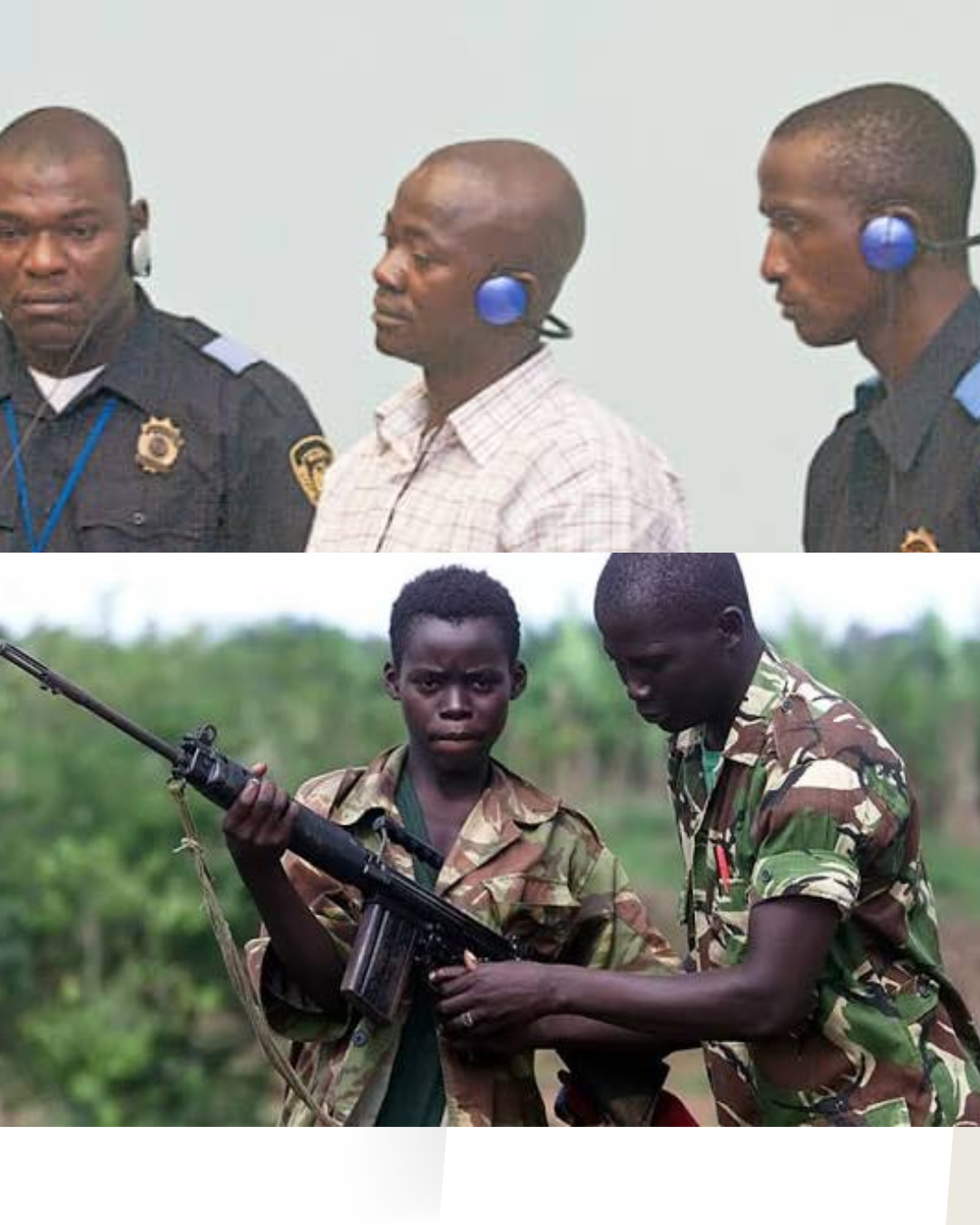
In the widely circulated video, Sesay, a former interim leader of the Revolutionary United Front (RUF), is seen addressing Sierra Leoneans directly, pleading for forgiveness for his role in the country’s brutal 11-year civil war. He urges citizens to reject violence and “never resort to war again,” framing his message as one of peace, repentance, and reconciliation. According to Sesay, his appeal is motivated by a desire to see Sierra Leone move forward without repeating the horrors of the past.
However, the timing of the message has drawn intense criticism and emotional backlash. The video surfaced as Sierra Leone marked National Remembrance Day on 18 January, a solemn occasion instituted by President Julius Maada Bio to honour the victims and survivors of the 1991–2002 civil war. For many Sierra Leoneans, the appearance of a former rebel leader on such a day was seen as insensitive and distressing, reopening painful memories of violence, loss, and unresolved trauma.
Issa Sesay was convicted in 2009 by the Special Court for Sierra Leone on multiple counts of war crimes and crimes against humanity. His convictions include murder, rape, sexual slavery, forced marriage, the recruitment and use of child soldiers, and attacks on United Nations peacekeepers. These crimes remain etched in the national memory as some of the darkest chapters of Sierra Leone’s history, particularly for communities that were directly targeted by RUF forces.
Across social media platforms, radio phone-in programmes, and community discussions nationwide, reactions to Sesay’s message have been sharply divided. Some citizens argue that forgiveness is a necessary component of national healing and long-term peace. They contend that if remorse is sincere, even those responsible for grave atrocities should be allowed space to express regret, especially if their message discourages future violence.
Others strongly disagree, insisting that forgiveness cannot be requested publicly, let alone expected, from those who inflicted immense suffering. Victims’ advocates and civil society actors argue that many survivors are still grappling with the consequences of the war, including physical injuries, psychological trauma, poverty, displacement, and the loss of family members. For them, Sesay’s plea feels premature and self-centred, particularly when many victims have yet to receive adequate justice, reparations, or support.
Critics also point to the findings of the Truth and Reconciliation Commission (TRC), which emphasised that remembrance and reconciliation processes must centre on victims rather than perpetrators. The TRC recommended national commemoration as a way of honouring those who suffered, preserving historical truth, and preventing denial or revisionism. In this context, many argue that giving prominence to a convicted war criminal on a day of national mourning shifts attention away from survivors and risks distorting the purpose of remembrance.
For some observers, the controversy raises deeper questions about how Sierra Leone manages its post-war narrative. While the country is often praised internationally for ending the conflict and maintaining relative stability, unresolved tensions remain around accountability, forgiveness, and memory. The debate sparked by Sesay’s video exposes the fragile balance between promoting reconciliation and respecting the pain of those who bore the brunt of the war.
There are also concerns about precedent. If perpetrators are allowed to dominate public discourse during moments meant for reflection and mourning, critics warn, it could normalise the sidelining of victims’ voices and retraumatise those still healing. Others caution that reconciliation imposed without consent risks becoming hollow and performative.
As the debate continues, one reality remains clear: Sierra Leone’s civil war is not merely a closed chapter but a lived experience that continues to shape identities, politics, and national consciousness. Whether Issa Sesay’s plea is viewed as an honest attempt at moral reckoning or a provocation that reopens old scars, it has forced the country to confront uncomfortable questions about forgiveness, justice, and who gets to speak during moments of collective remembrance. For now, the nation remains divided, grappling with a question that has no easy answer: can forgiveness be part of healing if the wounds of the past are still painfully open?