



By Mackie M. Jalloh
A deepening controversy surrounding Kadco’s handling of expired industrial ethanol has now exposed not only serious corporate negligence but also troubling regulatory inertia, intensifying public anxiety over consumer safety and state oversight in Sierra Leone.
What began as a regulatory inquiry has evolved into a full-blown national scandal, with Kadco accused of endangering lives through the storage, disappearance, and possible diversion of expired ethanol, while key regulatory bodies—particularly the Sierra Leone Standards Bureau—face growing criticism for delays, silence, and a lack of transparency.
The controversy traces back to 17 December 2025, when a multi-agency investigative committee was reportedly constituted to ensure a coordinated and credible probe into Kadco’s ethanol stock. The committee included the Consumer Protection Agency (CPA), the National Consumer Protection Commission (NCPC), and the Standards Bureau. Its mandate was clear: establish the origin, purpose, safety status, and current location of large quantities of industrial ethanol reportedly stored at Kadco’s Cline Town warehouse.
On 19 December 2025, the Standards Bureau formally requested Kadco to submit full documentation related to the ethanol—import permits, bills of lading, safety data sheets, intended industrial use, and inventory records. These documents were critical to determining whether the ethanol was fit for any regulated purpose or should have been destroyed as hazardous waste. Kadco failed to comply.
A second formal request was issued on 5 January 2026, again demanding the same documents. This time, Kadco reportedly submitted some paperwork, though questions remain over completeness, accuracy, and timing—raising concerns that critical evidence may have been withheld or retroactively assembled.
Alarm bells rang louder on 8 January 2026, when the CPA formally complained to the NCPC about what it described as unjustified delays by the Standards Bureau, particularly the absence of laboratory results and clear technical guidance on the ethanol’s safety status. That complaint underscored a growing fear: while agencies exchanged letters, potentially dangerous substances could already be circulating in the public space.
The situation reached a flashpoint on 9 January 2026, when a joint inspection team comprising the CPA, NCPC, and the Standards Bureau visited Kadco’s warehouse. During that inspection, Kadco flatly denied earlier reports that over 300 barrels of expired ethanol had been stored on-site. Instead, the company presented only 47 barrels, insisting these were the total in its possession.
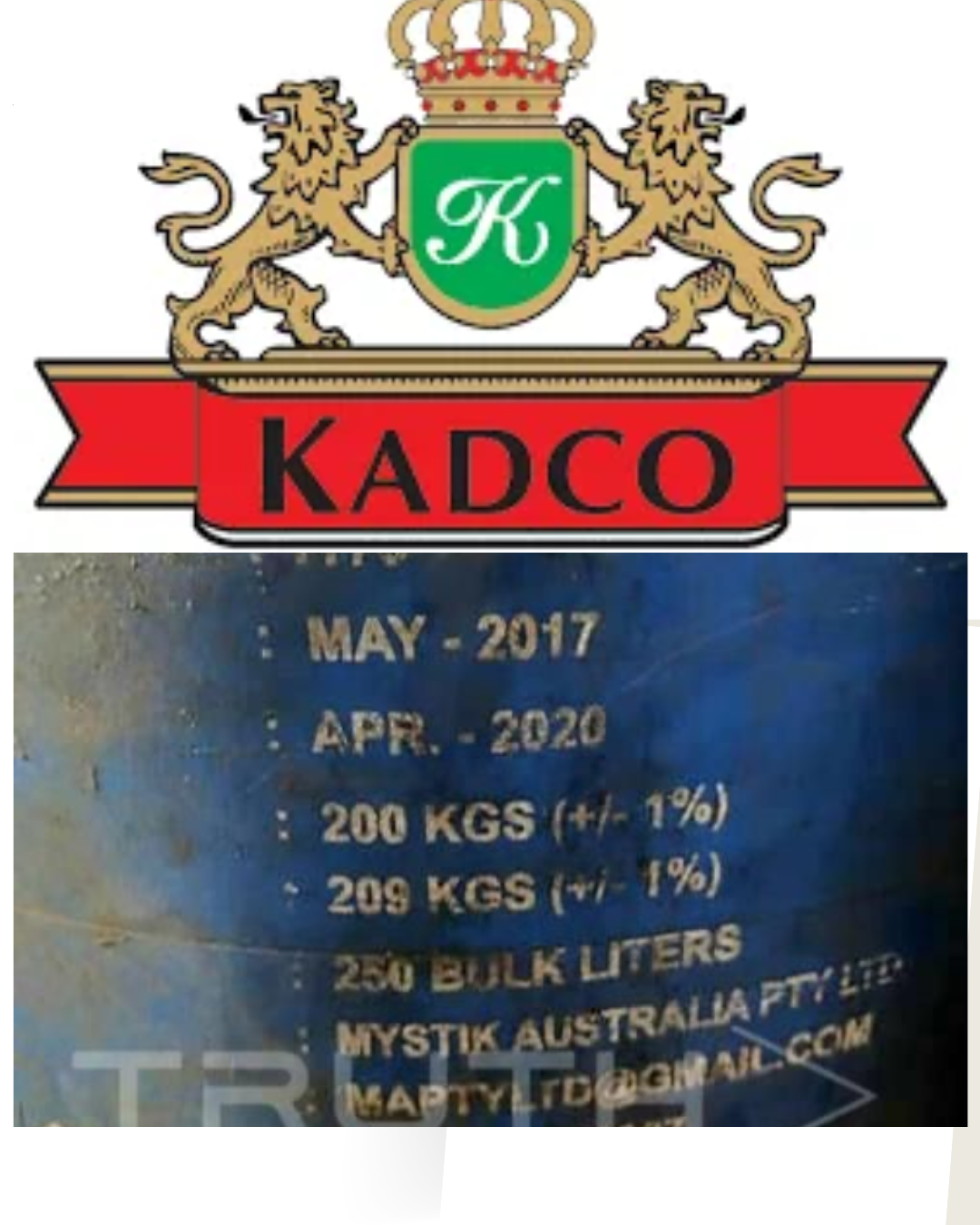
That claim directly contradicted earlier inspection records and triggered renewed outrage. Regulators were left unable to account for more than 250 barrels of industrial ethanol—manufactured in May 2017 and expired in April 2020—a substance known to be highly dangerous if diverted into alcohol, disinfectants, or consumable products.
Since that joint inspection, no laboratory results, risk assessment, or public safety advisory has been issued by the Standards Bureau. Weeks later, citizens are still waiting. The silence has become as disturbing as the disappearance of the ethanol itself.
Public health experts warn that this regulatory paralysis could have catastrophic consequences. Industrial ethanol, when expired or misused, can cause poisoning, organ failure, blindness, and death. In a country with a history of deaths linked to toxic alcohol, the possibility that unaccounted-for ethanol may have entered informal markets is terrifying.
Civil society groups and consumer advocates are now demanding urgent intervention from the Environmental Protection Agency (EPA), Sierra Leone Police (SLP), Office of National Security (ONS), and the Ministry of Health and Sanitation, arguing that the issue has moved beyond regulatory paperwork into the realm of national security and public safety.
“This is no longer just about Kadco,” said one consumer protection activist. “It is about whether institutions meant to protect lives are willing to act decisively when powerful companies are involved.”
Kadco’s continued failure to clearly explain the purpose, movement, and final destination of the missing ethanol has shattered public trust. Equally damaging is the perception that regulators—especially the Standards Bureau—have failed to act with the urgency such a threat demands.
As pressure mounts, Sierra Leoneans are asking hard questions:
Where are the missing barrels?
Who authorized their movement?
Why are laboratory results still pending?
And who will be held accountable if lives have already been harmed?
Until these questions are answered transparently and decisively, the Kadco ethanol scandal will remain a chilling symbol of corporate recklessness and regulatory weakness—one with potentially deadly consequences